Choosing Your Vibe Among the 10 Best Neighborhoods in Atlanta
Atlanta is a sprawling, dynamic city defined by its dense tree canopy, diverse dining scene, historic architecture, and distinct local communities.
With more than 240 recognized neighborhoods, choosing where to live is less about finding one universally “best” area and more about finding a community that fits your daily routine, budget, commute, and priorities.
Whether you want walkable streets near restaurants and entertainment or a quieter neighborhood with more space, a thoughtful Atlanta neighborhoods guide can help narrow the search.
Here is a closer look at the 10 best neighborhoods in Atlanta commonly considered by homebuyers, along with several popular suburban alternatives.
What Are the 10 Best Neighborhoods in Atlanta
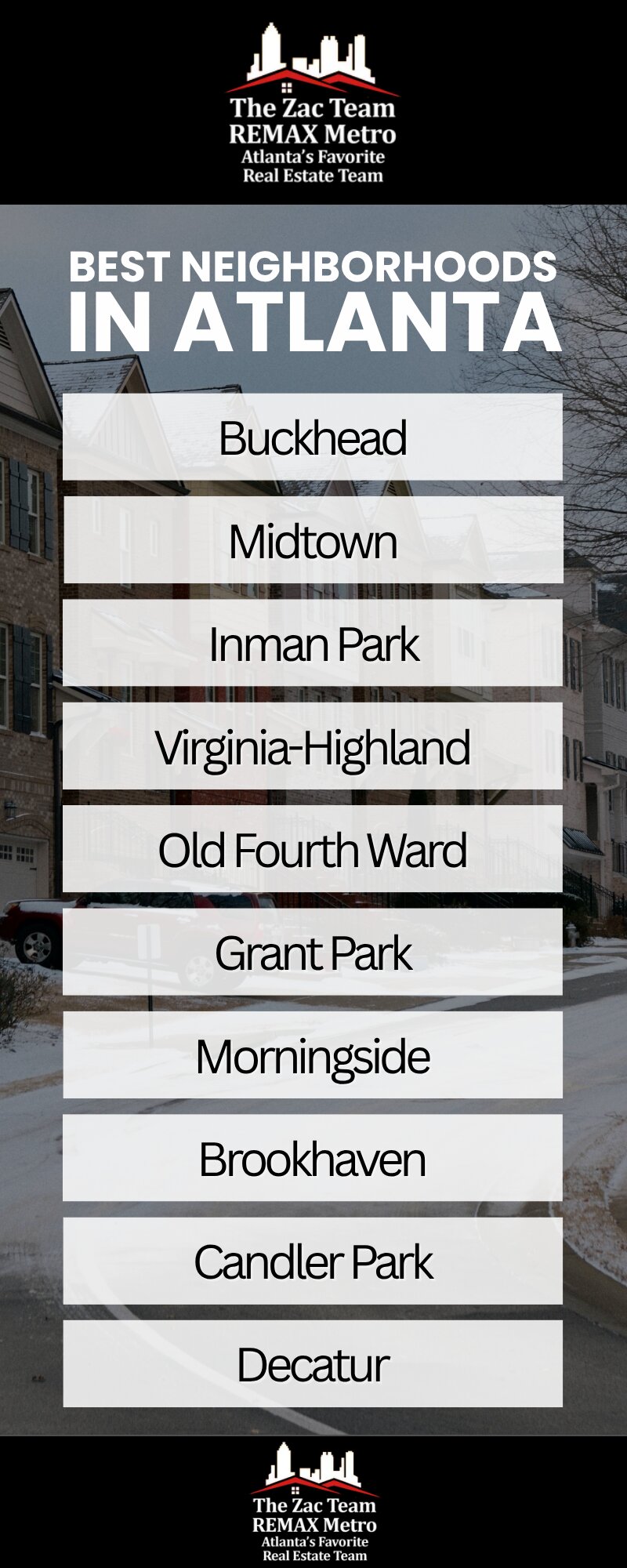
The 10 best neighborhoods in Atlanta typically include Buckhead, Midtown, Inman Park, Virginia-Highland, Old Fourth Ward, Grant Park, Morningside, Brookhaven, Candler Park, and Decatur. These top Atlanta neighborhoods offer exceptional dining, historic architecture, and immediate access to the BeltLine, making them incredibly desirable for modern homebuyers.
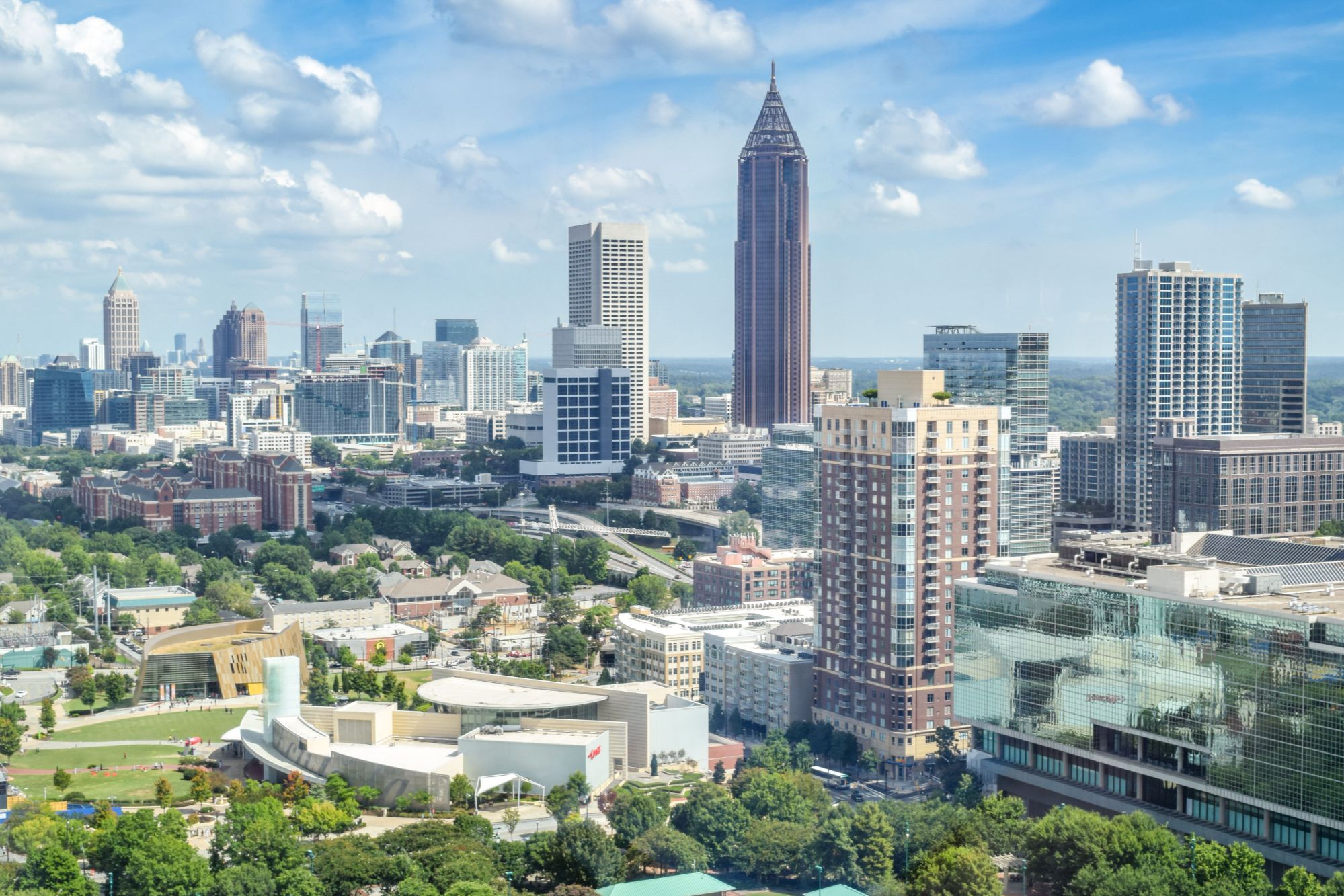
Exploring the Nicest Neighborhoods in Atlanta
1. Buckhead
Buckhead is one of Atlanta's most prominent luxury markets, with high-rise residences, upscale shopping, restaurants, established residential streets, and large homes. The area also benefits from MARTA rail access, although some residential sections are considerably more car-oriented than others.
2. Midtown
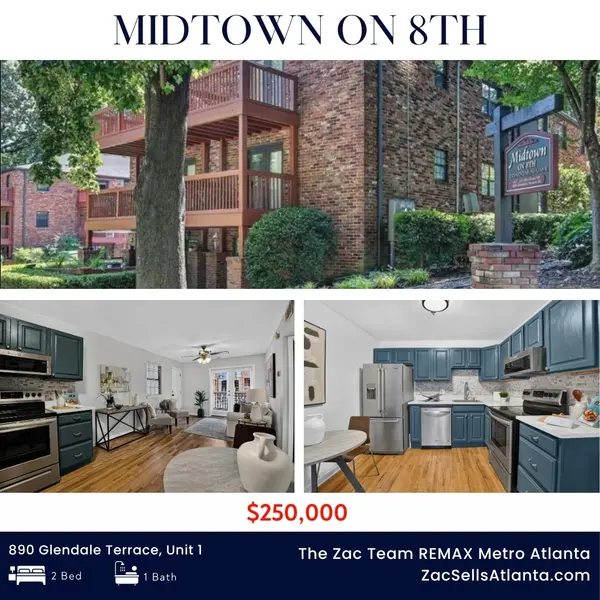
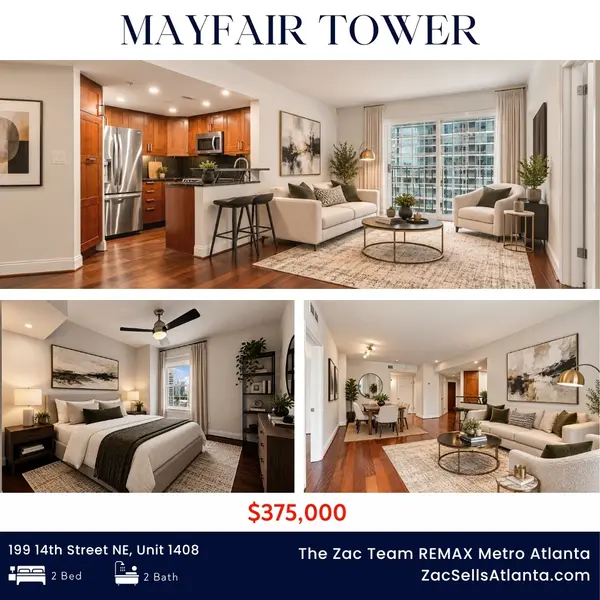
Midtown is a natural fit for buyers who want an urban environment. Residents have convenient access to Piedmont Park, arts venues, restaurants, offices, and MARTA stations. Condominiums and townhomes are particularly common, making the neighborhood appealing to buyers who prioritize convenience over a large yard.
3. Inman Park
Known for its historic residential architecture and proximity to the Atlanta BeltLine Eastside Trail, Inman Park combines older homes with restaurants, shops, and newer development. Its location makes it especially attractive to buyers who want to walk or bike to nearby amenities.
4. Virginia-Highland
Virginia-Highland has a neighborhood-oriented atmosphere, tree-lined streets, restaurants, boutiques, and a mix of historic houses and newer residences. Its proximity to Piedmont Park and other intown destinations adds to its appeal.
5. Old Fourth Ward
Old Fourth Ward has undergone significant redevelopment, particularly around the BeltLine and Historic Fourth Ward Park. The area offers a mix of renovated historic properties, townhomes, apartments, and condominiums alongside restaurants and recreational spaces.
6. Grant Park
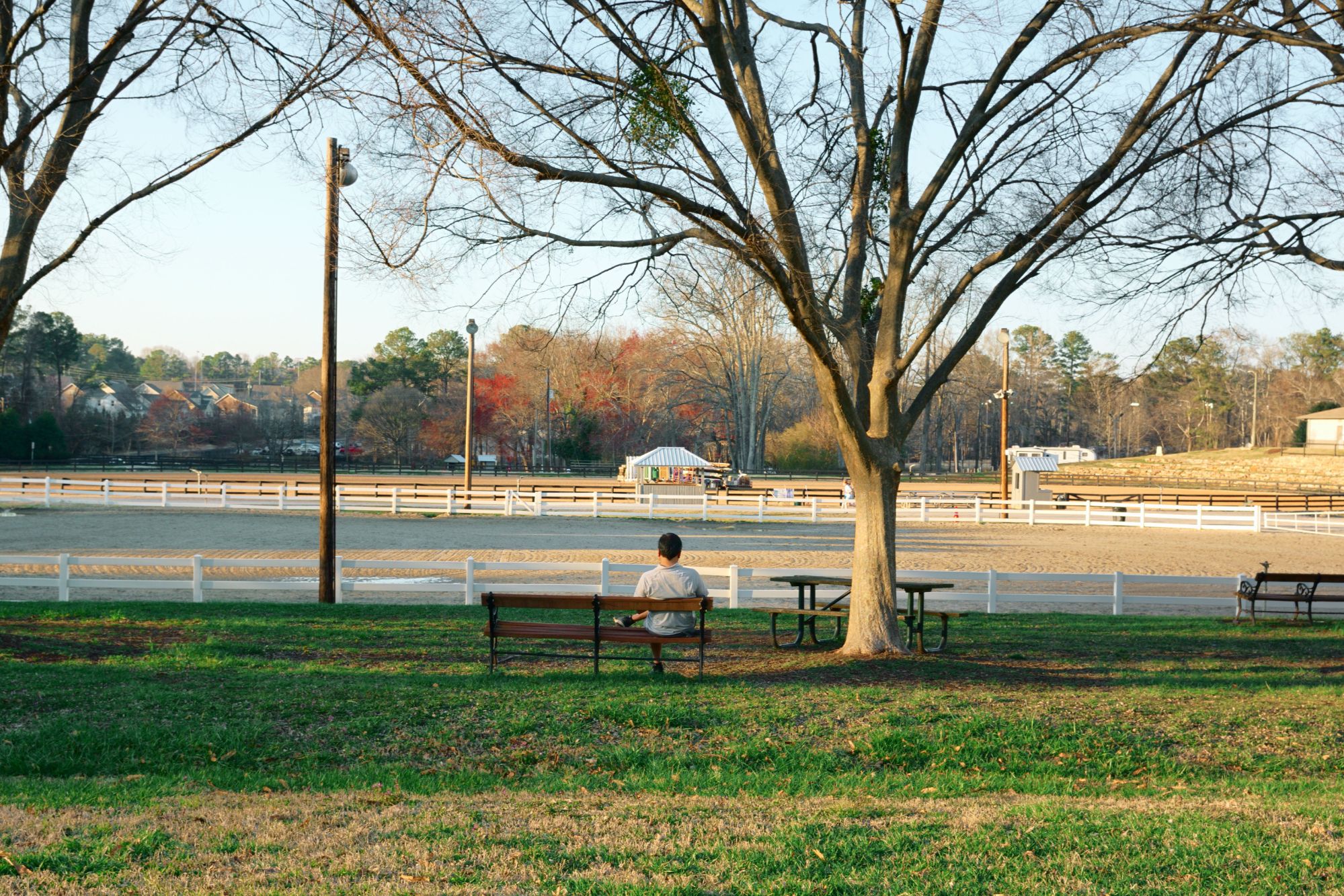
Grant Park is known for its historic homes and namesake green space. The neighborhood offers a more residential feel while remaining close to downtown, the BeltLine, Zoo Atlanta, restaurants, and other attractions.
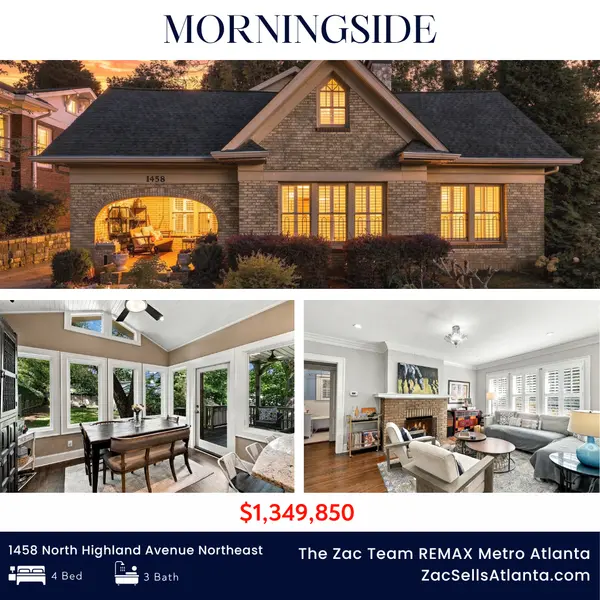
7. Morningside
Morningside is characterized by established residential streets, mature trees, traditional homes, and access to parks. Buyers looking for a quieter intown environment often include it in their search.
8. Brookhaven
Brookhaven sits immediately northeast of Atlanta and offers a mixture of established neighborhoods, condominiums, townhomes, and newer development. Its location near major roads and employment centers makes it a practical option for buyers who want access to the city without living in the urban core.
9. Candler Park
Candler Park has a relaxed residential character, with bungalows, cottages, green space, and access to nearby restaurants and local businesses. Its proximity to the BeltLine and other Eastside neighborhoods adds convenience for buyers who enjoy an active lifestyle.
10. Decatur
Decatur is an independent city east of Atlanta rather than a neighborhood within the City of Atlanta. It is frequently considered alongside Atlanta neighborhoods because of its proximity to the city, walkable downtown, established residential areas, restaurants, and community-oriented atmosphere.
Luxury and Walkability
Buyers searching for the nicest neighborhoods in Atlanta often have very different definitions of “nice.”
For some, that means luxury residences, high-end retail, and prestigious addresses. For others, it means being able to walk to coffee shops, parks, restaurants, and cultural attractions.
Buckhead is particularly associated with luxury real estate, including large single-family properties and upscale condominiums. Its shopping and dining options also make it attractive to buyers seeking a more polished urban lifestyle.
Midtown provides a different version of upscale living. Rather than focusing primarily on estate-style homes, the area emphasizes high-rise residences, cultural institutions, restaurants, offices, and pedestrian access to major destinations.
Historic Charm and The BeltLine
Inman Park and Virginia-Highland appeal to buyers who want historic architecture combined with modern amenities. Restored bungalows and other older homes sit close to restaurants, shops, parks, and recreational routes.
The Atlanta BeltLine has also influenced residential demand and development across several intown communities. As of 2025, more than half of the planned 22-mile loop had been completed, with 13.6 miles of mainline trail and 10.3 miles of connector trails open to the public.
For buyers evaluating the best places to live in Atlanta, it is worth distinguishing between being near the BeltLine and having direct trail access. A property may be advertised as BeltLine-adjacent while still requiring a meaningful walk or drive to reach the trail.
Prioritizing Safety and Locating the Safest Side of Atlanta
Navigating the Metro Area
Safety deserves careful, property-specific research rather than a simple north-versus-south designation. There is no single officially designated safest side of Atlanta, and crime patterns can vary considerably between neighborhoods and even individual blocks.
Buyers should examine recent Atlanta Police Department data for the specific area they are considering. For suburban properties, review the applicable city's police data as well.
Brookhaven, for example, provides an interactive crime map that allows residents and prospective buyers to examine reported incidents by location and type.
Brookhaven reported that its eight FBI Index Crimes declined by 12% in 2025 compared with 2024, while violent and property index crimes each fell by 20%. Those figures describe citywide trends and should not be interpreted as a guarantee of safety for every property or street.
Areas to Research Carefully
The phrase worst neighborhoods in Atlanta is often used online, but it can oversimplify complicated and changing neighborhood conditions.
Rather than relying on a static list, buyers should review recent crime reports, visit the area at different times of day, examine lighting and pedestrian conditions, and speak with local residents when possible.
Crime statistics should also be considered alongside other practical factors, including property condition, traffic, planned development, flood risk, insurance costs, and proximity to services.
Expanding the Search to the Top 10 Suburbs in Atlanta
Suburban Excellence and Schools
Buyers who want larger homes, more outdoor space, neighborhood amenities, or access to suburban school districts may want to expand beyond the city limits.
Frequently considered options among the top 10 suburbs in Atlanta include:
- Alpharetta
- Roswell
- Johns Creek
- Marietta
- Sandy Springs
- Brookhaven
- Dunwoody
- Smyrna
- Decatur
- Peachtree City
These communities are not interchangeable. They fall in different counties and school districts, have different housing markets, and offer different commute patterns. Buyers with children should verify school attendance boundaries for the specific property rather than relying on citywide reputation.
Alpharetta, for example, combines established residential neighborhoods with newer developments, commercial centers, and access to the GA-400 corridor.
Roswell offers a mix of established neighborhoods and historic areas, while Johns Creek is known for its suburban residential development and proximity to major employment centers in northern Metro Atlanta.

Commuter Access
Suburban space often comes with a trade-off: driving time.
GA-400 is particularly important for buyers considering northern communities such as Sandy Springs, Dunwoody, Roswell, and Alpharetta. I-85 is another major commuter route serving parts of the northern metro area.
Before purchasing, test the actual commute during the hours you expect to travel. A route that looks short on a map can become substantially longer during Atlanta's peak traffic periods.
Finding the Best Atlanta Homes for Sale
Working With Local Experts
The search for Atlanta homes for sale should begin with a clear understanding of your priorities. Determine your preferred price range, commute, housing type, school requirements, outdoor-space needs, and tolerance for renovation before touring properties.
Atlanta's market has also become more balanced than the extremely tight conditions seen during the pandemic-era housing boom. In June 2025, Metro Atlanta recorded 20,582 homes in inventory and 4.6 months of supply, according to the Atlanta REALTORS® Association's market report.
That does not mean every neighborhood has the same level of inventory. Popular intown areas can still have limited choices in particular price ranges, especially for distinctive historic homes.
A knowledgeable local agent can help identify properties that match your criteria, explain neighborhood-specific considerations, and coordinate showings efficiently.
Long-Term Investment
Location remains one of the most important considerations when purchasing a home. Proximity to employment centers, transportation, parks, restaurants, schools, and major infrastructure can influence future buyer demand.
However, no neighborhood guarantees appreciation. Buyers should evaluate the purchase based on current affordability, property condition, comparable sales, taxes, insurance, planned development, and their intended length of ownership rather than assuming that every property in a popular neighborhood will automatically increase in value.
Atlanta Neighborhood Comparison Table
| Neighborhood / Area | Primary Vibe | Commuter Access | Typical Housing Style |
|---|---|---|---|
| Midtown | Urban, Fast-Paced | Excellent (MARTA Access) | High-Rise Condos & Townhomes |
| Buckhead | Upscale, Prestigious | Good (Car-Dependent Pockets) | Luxury Estates & High-Rises |
| Inman Park | Historic, Trendy | Very Good (BeltLine) | Victorian Homes & Bungalows |
| Alpharetta (Suburb) | Family-Centric, Spacious | Moderate (Highway Commute) | Traditional Single-Family Subdivisions |
The table is a starting point rather than a substitute for property-level research. Each area contains smaller communities with their own characteristics, and housing options can vary significantly from one street to the next.
Discover Your Perfect Southern Sanctuary
Choosing among the 10 best neighborhoods in Atlanta comes down to matching the community with the way you actually live.
Midtown may make sense for buyers who prioritize urban convenience and MARTA access, while Buckhead offers a different combination of luxury housing and established residential areas. Inman Park, Virginia-Highland, Old Fourth Ward, Grant Park, Morningside, and Candler Park offer additional intown choices with varying degrees of historic character, walkability, and BeltLine access.
For buyers who want more space, expanding the search to the top 10 suburbs in Atlanta can open up additional housing options and school districts. At the same time, anyone concerned about finding the safest side of Atlanta should examine current crime data for the specific neighborhood and property rather than relying on broad geographic labels.
The same principle applies when researching the worst neighborhoods in Atlanta: current, property-specific information is far more useful than an outdated online ranking. With a detailed Atlanta neighborhoods guide, realistic budget, and experienced local representation, buyers can narrow down the best places to live in Atlanta based on their own priorities.
If you are ready to compare neighborhoods, review current Atlanta homes for sale, or discuss which communities fit your budget and commute, contact me today at +1 (404) 564-7272 or zac@zac.biz.
Frequently Asked Questions
Which of the 10 best neighborhoods in Atlanta is best for young professionals?
There is no single best choice for every young professional, but Midtown, Inman Park, Old Fourth Ward, and Virginia-Highland are commonly considered because of their restaurants, entertainment, walkability, parks, and proximity to other intown destinations. Midtown also provides direct MARTA access.
How do I identify the safest side of Atlanta when looking for a home?
Start with current crime data for the exact neighborhood and property location. The Atlanta Police Department publishes crime statistics and regularly updated data, while suburban municipalities may maintain their own crime maps and reports. Visiting the neighborhood at different times of day can provide additional context.
Are Atlanta homes for sale near the BeltLine significantly more expensive?
BeltLine proximity can contribute to housing demand, but there is no single premium that applies across the entire corridor. Prices depend on the neighborhood, property type, condition, size, and exact distance from the trail. Compare recent sales for similar properties rather than assuming a fixed BeltLine premium.
What makes Alpharetta one of the top 10 suburbs in Atlanta?
Alpharetta offers a combination of suburban housing, employment opportunities, shopping, restaurants, parks, and access to the GA-400 corridor. Its appeal varies by buyer, so prospective homeowners should also evaluate specific neighborhoods, school attendance zones, commute times, and housing costs.
What areas are generally considered the worst neighborhoods in Atlanta for property crime?
It is more useful to examine current property-crime data for individual neighborhoods than to maintain a permanent list of the worst neighborhoods in Atlanta. Crime patterns change over time, and conditions can vary significantly between nearby areas. Buyers should review recent police data before making a decision.
Do the nicest neighborhoods in Atlanta typically have homeowners' associations?
Some do and some do not. Newer subdivisions, condominium communities, and many planned developments are more likely to have homeowners' associations, while older intown neighborhoods with historic housing may have fewer HOA requirements. Always review the association's fees, rules, financial records, and restrictions before purchasing.
What should a comprehensive Atlanta neighborhoods guide include regarding traffic?
A useful guide should consider the buyer's actual commute, not simply distance from downtown. Major routes such as I-75, I-85, I-20, I-285, and GA-400 can experience significant congestion. Buyers should test their expected commute during normal travel hours before choosing a neighborhood.
Recent Posts