Two Moves That Can Get You Into Your First Home Sooner
For many first-time buyers, owning a home can feel like something that is always a few years away. Between rising costs, rent payments, and the challenge of saving for a down payment, it is easy to assume homeownership has to stay on the back burner.
But here is the good news: getting into your first home may be closer than you think.
There are two smart moves that can shorten the timeline significantly, even in today’s market. If you have been waiting for the "perfect" moment, these strategies could help you get there sooner.
First, What Does "Breaking Even" Really Mean?
Before we get into the two moves, it helps to understand one important idea: the break-even point.
This is the point where the total cost of owning a home is about the same as what you would have spent renting over that same period. After that, owning starts to make more financial sense than renting.
As Zillow Senior Economist Kara Ng explains:
> "Buyers should think about not just when they can afford to buy, but how long they'd need to stay before owning makes more financial sense than renting."
That is an important shift in thinking. It is not just about whether you can buy today. It is also about how long it takes for buying to become the better financial move.
How Long Does It Usually Take?
According to Zillow, the typical path to buying a mid-priced home with a 20% down payment looks like this:
- About 8.5 years to save for the down payment
- About 6.2 more years to break even compared to renting. That adds up to just under 15 years.
At first glance, that can feel discouraging. But that timeline is based on two big assumptions:
- You are buying a mid-priced home
- You are putting 20% down
If you change one of those assumptions, your timeline can get shorter. If you change both, it can shrink much faster.
Of course, every market is different. Home prices and rents vary by area, so your local numbers may look different. Still, the takeaway is the same: your first home may be more within reach than you realize.
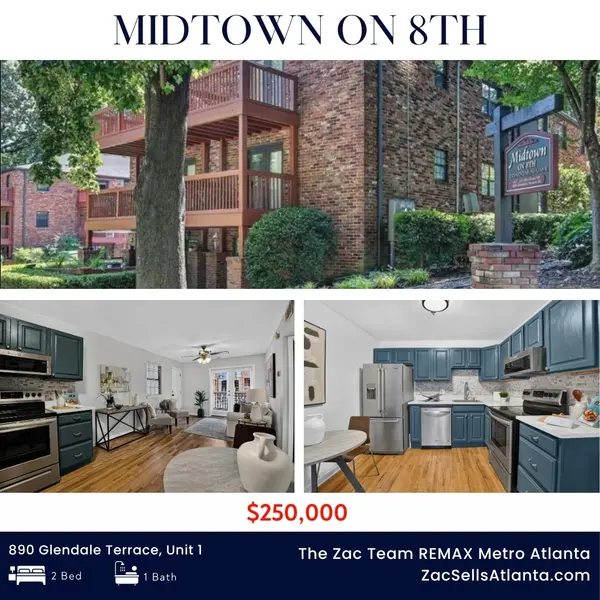
Move #1: Consider a Starter Home
A starter home is typically a home priced in the lower third of your local market. It might be a condo, a townhome, or a smaller single-family home. It may also be a little older or have fewer upgrades than a mid-priced home.
And that is okay.
A starter home is not about buying your forever home on day one. It is about getting into the market, building equity, and creating a path forward.
Why This Can Make a Big Difference
Because starter homes cost less, the amount you need to save is lower. That alone can cut years off your timeline.
Zillow found that, nationwide, buying a starter home can reduce the total time to save and come out ahead compared to renting to about 7.2 years.
That breaks down to:
- About 4.6 years to save
- About 2.6 years to break even
That is roughly half the time compared to buying a mid-priced home.
If you have already started saving, this could mean your goal is much closer than it feels right now.
Move #2: You May Not Need 20% Down
One of the biggest myths in real estate is that you need a 20% down payment to buy a home.
In reality, many first-time buyers put down far less.
According to the National Association of Realtors, the median down payment for first-time buyers is 10%.
And depending on the loan type, the minimum can be even lower:
- As little as 3% for some conventional loans
- As little as 3.5% for FHA loans
- 0% down for eligible veterans or certain rural-area buyers. That means waiting until you have 20% saved may not be necessary.
There May Also Be Down Payment Assistance Available
Another factor many buyers overlook is down payment assistance.
Down Payment Resource reports there are 2,746 assistance programs nationwide, and in some cases, buyers can combine multiple forms of help to reduce upfront costs even more.
That could include grants, forgivable loans, or other programs designed to make buying more accessible.
If you combine:
- A lower-priced starter home
- A smaller down payment
- Available assistance programs
you may be able to move your timeline up by years.
Why This Matters Right Now
It is easy to think you need to wait until everything lines up perfectly. But for many buyers, the better move is to explore realistic options now instead of assuming homeownership is still far off.
Buying your first home does not have to mean stretching for the biggest or most updated property you can find. Sometimes the smartest first step is simply finding a home that works for your budget today and positions you well for tomorrow.
A starter home can be exactly that.
Bottom Line
Your first home may not be as far away as it seems.
If the numbers work for you, buying a starter home and putting down less than 20% could help you become a homeowner much sooner than expected. And with the right strategy, you may be able to stop waiting and start building equity earlier.
If you want to explore which starter homes in our area could fit your budget, let’s talk. Zac Pasmanick with The Zac Team is here to help you understand your options and create a plan that fits your goals.
Call or text 14045647272, email zac@zac.biz, or visit https://mlsinatlanta.com to get started. Your first home may be closer than you think, and I would love to help you find it.
Recent Posts